Tritium vs. Helium-3 for fusion energy.
Two isotopes sit at the heart of the race to practical fusion power. One is the easiest fuel to ignite but punishingly scarce; the other promises clean, near-neutron-free energy but lies mostly off-world. Here is how tritium and helium-3 compare, and why the answer keeps pointing back to the Moon.
Tritium and helium-3 across the factors that decide a fusion fuel.
Easiest to burn, hardest to find, and the Moon settles both.
Deuterium-tritium fusion is the front-runner for first-generation power plants precisely because it ignites at the lowest temperature. The catch is supply: tritium decays with a 12.3-year half-life and barely exists in nature, so reactors must breed their own from lithium blankets while a fast neutron flux steadily activates the surrounding hardware.
Helium-3 flips the trade. Its aneutronic reactions release energy as charged particles that can be converted to electricity directly, with far less shielding and activation. But helium-3 is almost absent on Earth, the realistic reserves are locked in lunar regolith, deposited over billions of years of solar wind. That single fact makes fusion fuel one of the strongest economic arguments for a permanent lunar presence.
At Explural, our isotope programs pursue both paths in parallel: breeding more tritium for near-term reactors while mapping helium-3 across the lunar surface to chart a cleaner long-term supply chain.
Keep exploring.
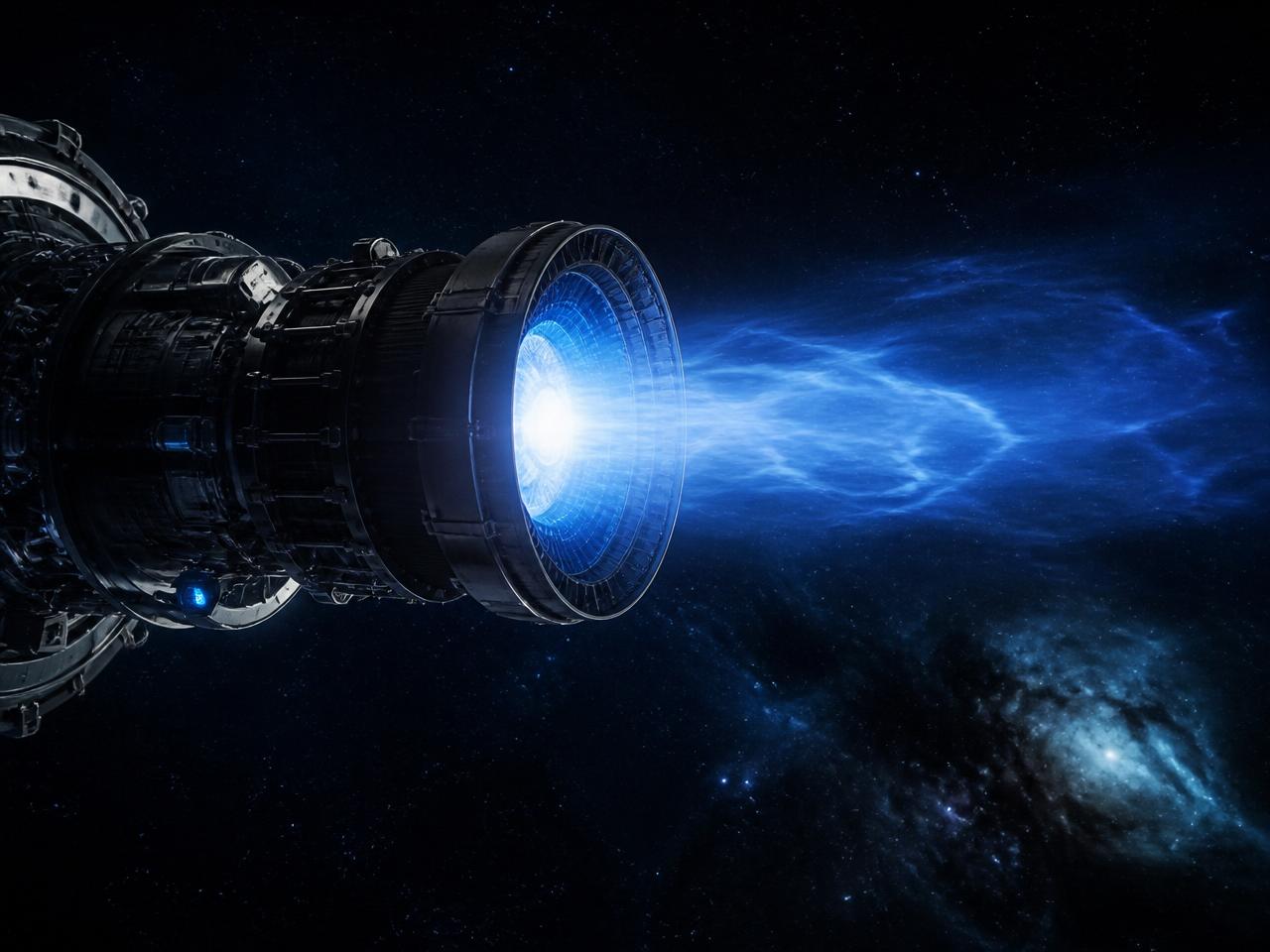
How space propulsion works: a complete guide
Chemical, ion, nuclear, and beyond, the engines that move spacecraft, explained from first principles.
Read →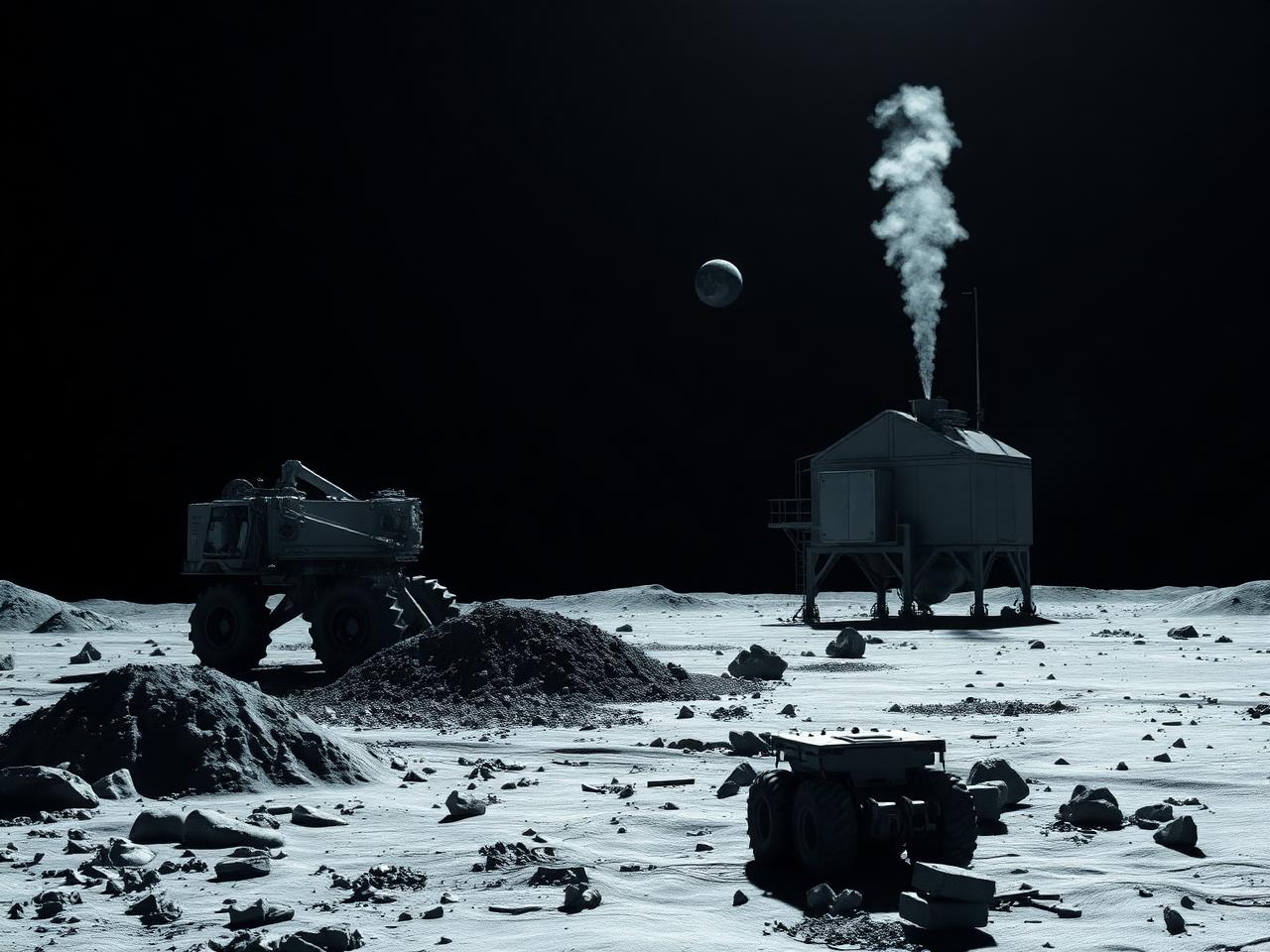
Living off the land on the Moon: an ISRU guide
How missions mine water, oxygen, fuel, and metals from lunar regolith instead of launching them from Earth.
Read →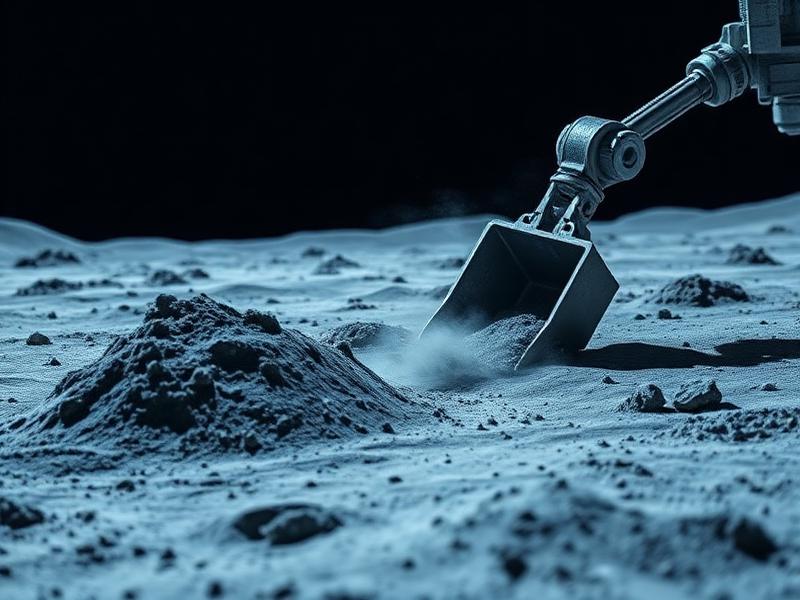
Extracting helium-3 from lunar regolith
The thermal volatilization process and the economics of mining fusion fuel from lunar soil.
Read →